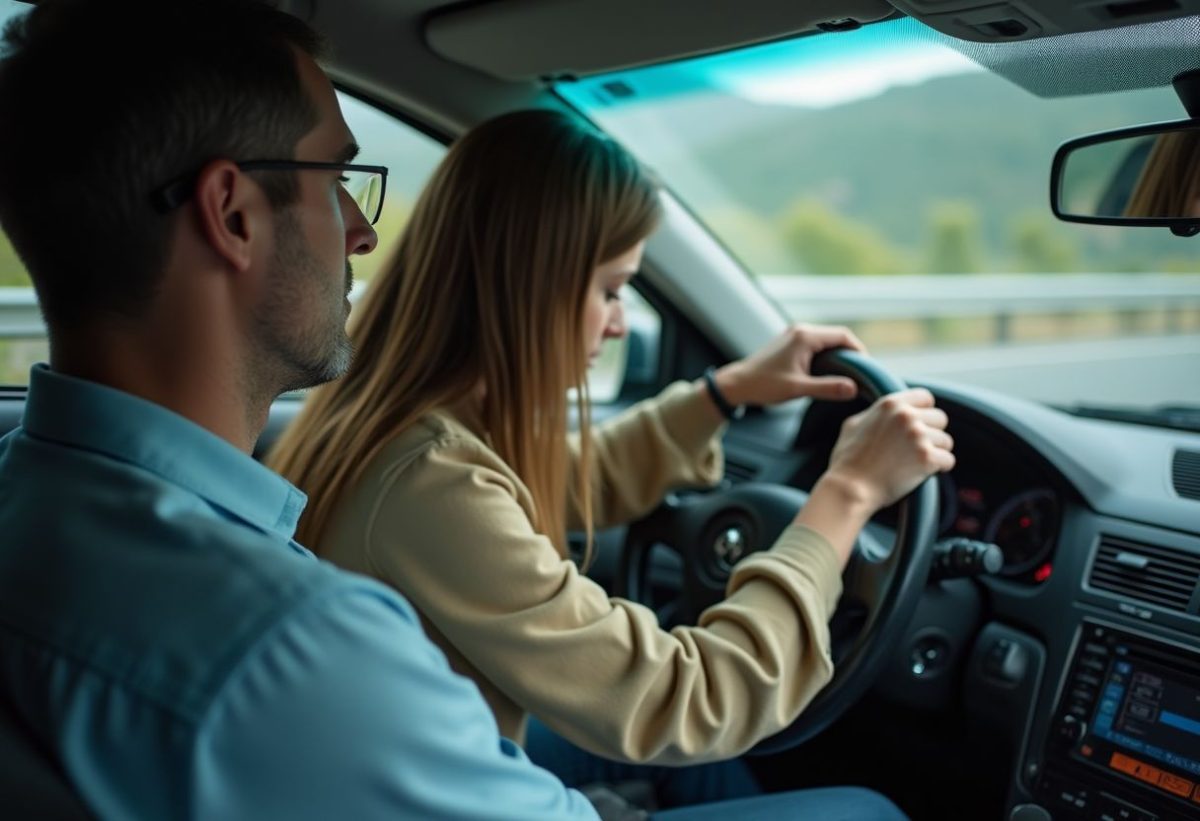
The suspension of a driving license can be a destabilizing experience for any driver. It marks a turning point in the relationship between the driver and the road. In this context, the psychotechnical test emerges as an essential step for those wishing to regain their right to drive. This test, much more than a mere formality, is an evaluation tool aimed at ensuring road safety. It seeks to understand the psychological profile and cognitive abilities of the driver. Far from being limited to a classic examination, this tool is part of a comprehensive approach to prevention and awareness.
The reasons for a license suspension
Understanding why a license may be suspended is crucial to grasping the importance of the psychotechnical test. Several infractions can lead to this sanction.
- Speeding: driving too fast, especially in regulated areas, endangers not only the driver but also other road users.
- Driving under the influence: alcohol or drugs impair reaction and judgment abilities, significantly increasing the risk of accidents.
- Accumulation of penalty points: each infraction results in a loss of points, leading to a suspension when the total number reaches zero.
- Serious infractions: such as hit-and-run after an accident or endangering the lives of others, which are severely punished.
The causes of a suspension are varied but all aim to protect road users from potentially dangerous behavior.
The process of the psychotechnical test
The process of the psychotechnical test may seem intimidating at first glance, but it is designed to be accessible and understandable.
Initially, a preparation phase is established. Candidates receive information about the different stages of the test. Then, during the actual test, a series of evaluations will measure reflexes, concentration, and other essential driving skills. This assessment, conducted by a licensed psychologist, focuses on the following points:
- The reflexes and the ability to react quickly to unforeseen situations.
- The concentration and the ability to maintain attention on the road over long periods.
- The hand-eye coordination, essential for vehicle control.
- The cognitive skills, such as memory and decision-making.
An individual interview with the psychologist allows for a deeper exploration of certain aspects of the driver’s personality, ensuring their understanding of the risks associated with driving. This is a key step that guarantees that the person has fully integrated the concepts of road safety.

Why the psychotechnical test is essential
Reassessing a driver’s skills after a license suspension is not just a simple administrative formality but a proactive safety measure.
This test aims to ensure that the driver not only has the physical abilities, such as reflexes and coordination, but also the mental capabilities required to get back behind the wheel. By evaluating these aspects, authorities can prevent a significant number of potential accidents. Ensuring that the driver has acknowledged their previous mistakes and now possesses the necessary tools to adopt responsible driving is crucial. The psychotechnical test for license suspension also helps detect any weaknesses that could be addressed through additional training or appropriate medical follow-up.
Preparing for and succeeding in the psychotechnical test
To approach the psychotechnical test as calmly as possible, thorough preparation is recommended.
Practicing concentration and relaxation exercises can significantly help reduce stress on the day of the test. Many candidates find it useful to engage in **activities that stimulate reflexes**, such as video games or certain sports. On the other hand, a balanced diet and restorative sleep before the test can substantially improve cognitive and physical performance. It is also advisable to gather detailed information about the test process, so as to have a clear idea of expectations and conditions, and not to hesitate to discuss with people who have already taken this test.
The psychotechnical test for license suspension plays a crucial role in restoring driving rights while enhancing road safety. It is not only an evaluation tool but also a prevention measure, ensuring that only capable drivers return to the road. Good preparation and a clear understanding of the stakes can transform this step into an opportunity for reflection and personal improvement.