Regulatory, climatic, and budgetary constraints are reshaping everyday pleasures much faster than fashion shows. Fashion, beauty, decoration, cultural outings: each spending category is being reorganized under the influence of factors that have nothing to do with traditional seasonal cycles.
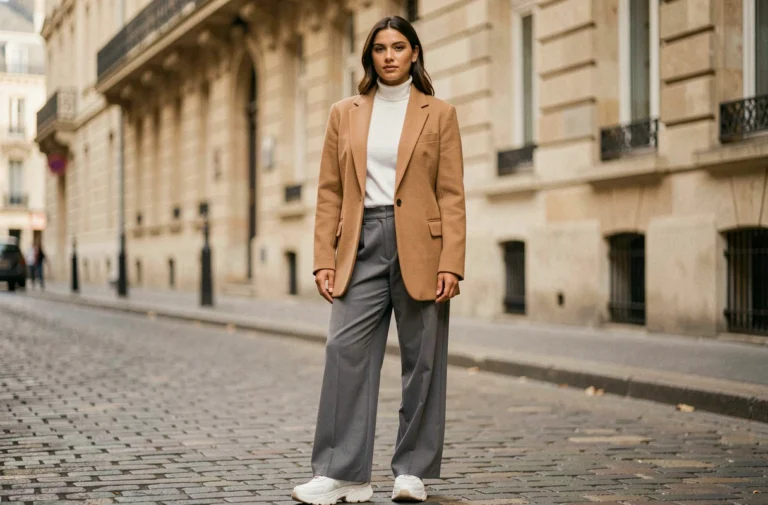
Textile Regulation and Ultra-Fast Fashion: What Changes Before 2027
The French legislative framework now explicitly targets ultra-fast fashion. The ban on certain advertisements and promotions by influencers is set to come into effect on January 1, 2027. This aspect directly affects platforms that have built their model on the constant renewal of collections at rock-bottom prices.
For consumers, the direct consequence is a scarcity of promotional codes shared on social media. So-called sustainable brands see this as an opportunity, but the transfer of clientele remains slow. We observe that the majority of price-sensitive buyers are migrating towards second-hand rather than new ethical fashion.
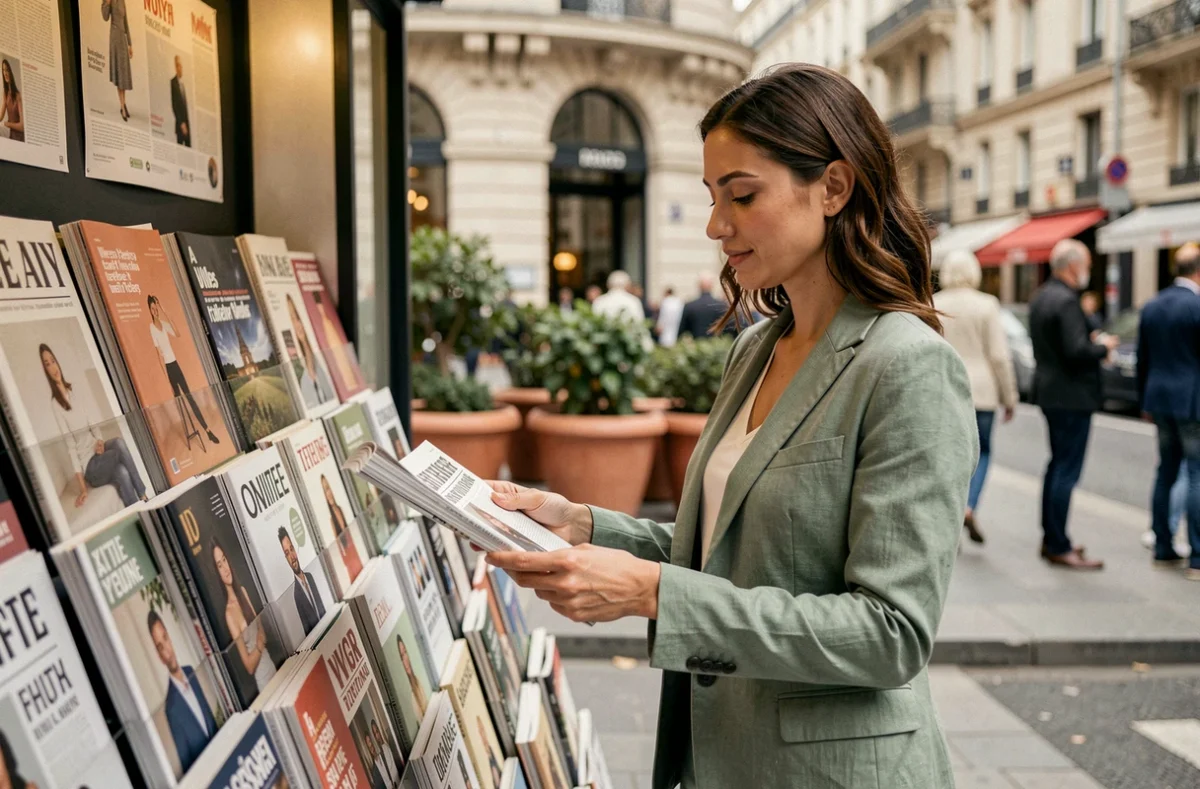
The impact on lifestyle content is measurable: specialized media, such as bhmagazine.fr, are increasingly incorporating sections dedicated to the sustainability of materials and regulated alternatives, where previous formats were limited to seasonal shopping selections.
Participatory Culture and Decline of Contemplative Outings

French cultural outings are experiencing a transversal decline. Concerts are holding up better than other practices, but the underlying movement points towards a participatory culture that replaces the posture of passive spectatorship.
Indoor complexes combining sports, games, and immersive formats are capturing an increasing share of the leisure budget. This shift reflects a preference for social and active experiences, as seen in the data from organizations tracking cultural practices in France.
The formats that are progressing share three characteristics:
- An urban or suburban anchorage, accessible without long-distance travel, often linked to redeveloped natural spaces.
- A collective dimension where the participant co-creates the experience, whether it be escape games, culinary workshops, or timed sports courses.
- A moderate entry fee, compatible with tight budgetary constraints, where traditional live performances suffer from a perceived high price effect.
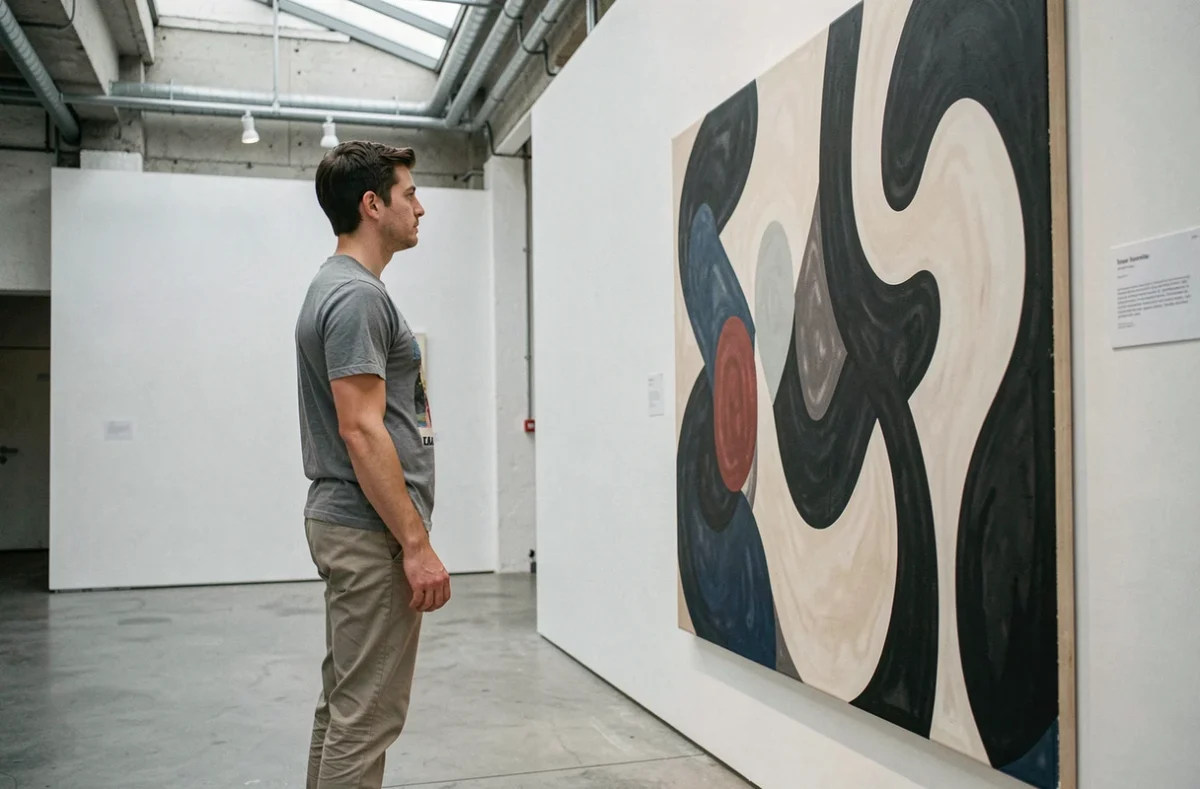
For lifestyle and event decoration players, this means rethinking recommendations: suggesting an immersive activity rather than a classic exhibition aligns more closely with the actual practices of the public this year.
Urban Greening and New Expectations for Outdoor Decoration
Climate issues are transforming the French relationship with greenery. The majority of them want more nature in public spaces, and this expectation largely spills over into the private sphere.
In terms of decoration, the autumn-winter trend is no longer limited to color palettes or indoor textiles. We are seeing increasing searches focused on balcony designs that withstand heat episodes, substrates suited to urban microclimates, and plant species that are low in water consumption.
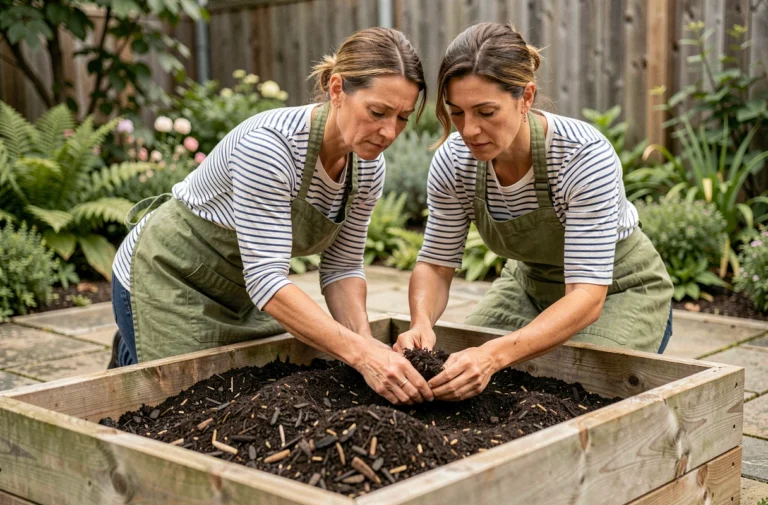
The Mediterranean dry garden is establishing itself in regions that did not previously practice it, including Île-de-France. Garden centers are seeing an upgrade in succulent plants and ornamental grasses, at the expense of annuals with high water needs.
This movement intersects with the budget question: a design tailored to the local climate costs less in maintenance over three years than a traditional garden requiring regular watering. The perceived quality of life also improves, as these spaces remain viable during water restriction periods.
Local Gastronomy and Food Tourism: Bistro Rather Than Palace
Gastronomy is shifting towards local, accessible, and territorial experiences. The trends documented this year highlight the return of the bistro, plant-based cuisine, and tourism linked to local food circuits.
This repositioning is not just a passing trend. It responds to a budget constraint that drives the French towards gourmet pleasures at controlled prices. Open farms, producer markets, and neo-regional bistros are attracting clientele that, a few years ago, would have aimed for a starred restaurant for a special occasion.
International influences persist, but they are becoming more democratized. Asian or Latin American-inspired street food is spreading in medium-sized cities, driven by pop-up formats and micro-restaurants. The world of French dining is absorbing these codes without renouncing local products, resulting in hybrid menus where French terroir intersects with techniques from elsewhere.
For lifestyle content creators, relevant gastronomic coverage no longer consists of listing prestigious tables. Documenting a short food circuit in a provincial city resonates more than yet another report on a Parisian palace.
Budgetary Trade-offs and Reconfiguration of Daily Pleasures
The economic reality weighs on all leisure-culture-beauty categories. Trade-offs are no longer made between categories (fashion versus outings, spa versus travel) but within each category.
In beauty, the sustainable trend translates into routines reduced to a few multifunctional products, often focusing on environmental and quality logic rather than multiplying references. In decoration, purchases are concentrated on durable pieces at the expense of seasonal renewal.
The spa exemplifies this reconfiguration well. Establishments that are progressing offer short packages, accessible during the week, integrated into a local wellness journey. The high-end weekend spa model is declining in favor of single sessions integrated into daily life.
These trends converge towards a common observation: daily pleasures are being reconfigured around proximity, sustainability, and value for money. Lifestyle media that continue to treat these topics as aspirational showcases are missing the reality experienced by their audience.