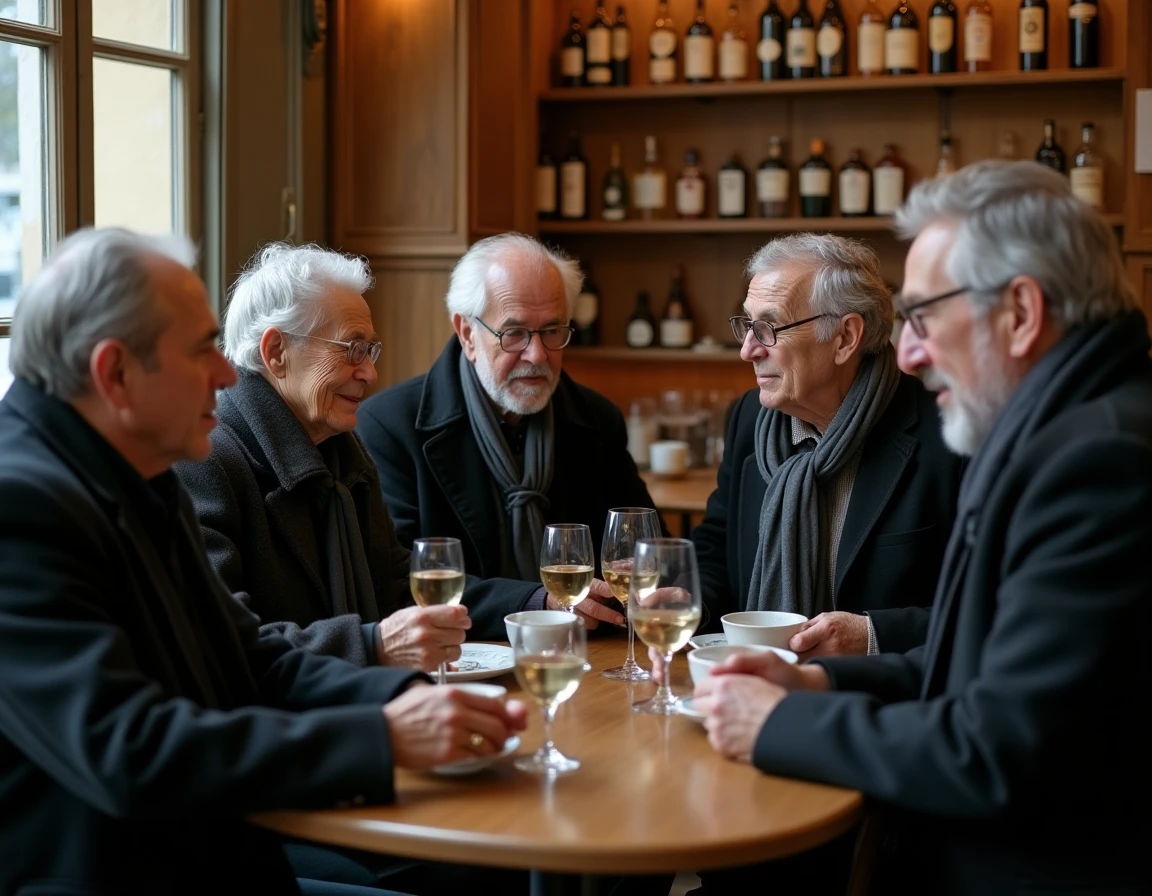
The memorial drink after a funeral has no mandatory character in French law. No text from the General Code of Local Authorities or the Civil Code mentions this practice. The question of whether to have a drink after a burial therefore falls exclusively within the realm of family, cultural, or religious customs, not a legal obligation.
Memorial drink after funerals: what the legal framework says (or doesn’t say)
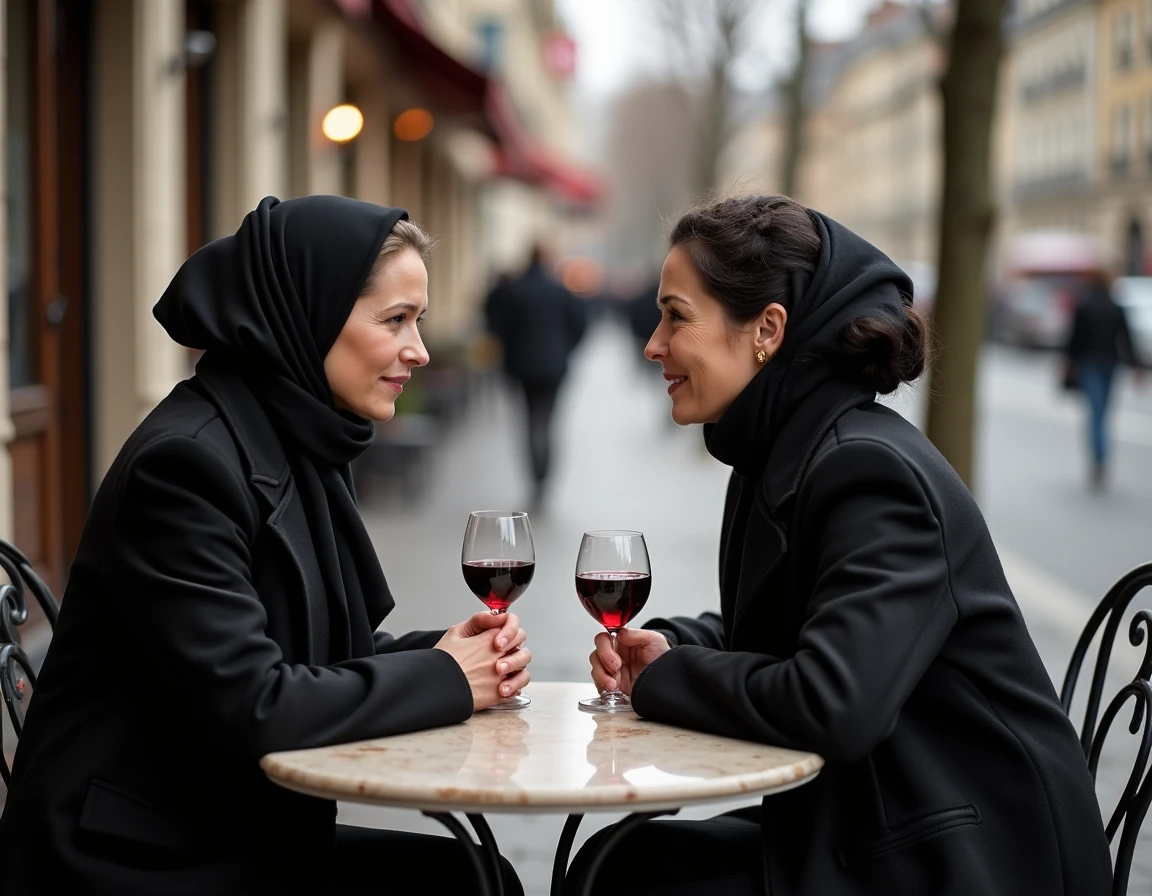
No French law mandates or prohibits holding a gathering after a funeral ceremony. The post-funeral reception is a private initiative, freely organized by the family of the deceased.
However, local regulations may apply when alcohol is served. Municipal decrees regulating the consumption of alcohol in community halls or on public roads remain in effect, even in a mourning context. Some funeral homes now offer non-alcoholic alternatives (mocktails, sober buffets), reminding that the “drink” of remembrance does not have to be alcoholic.
The question of having a drink after a burial also arises from the perspective of customs: in many families, refusing this gathering seems incongruous, while others consider it unnecessary.
Funeral tradition or social formality: a comparative table of motivations
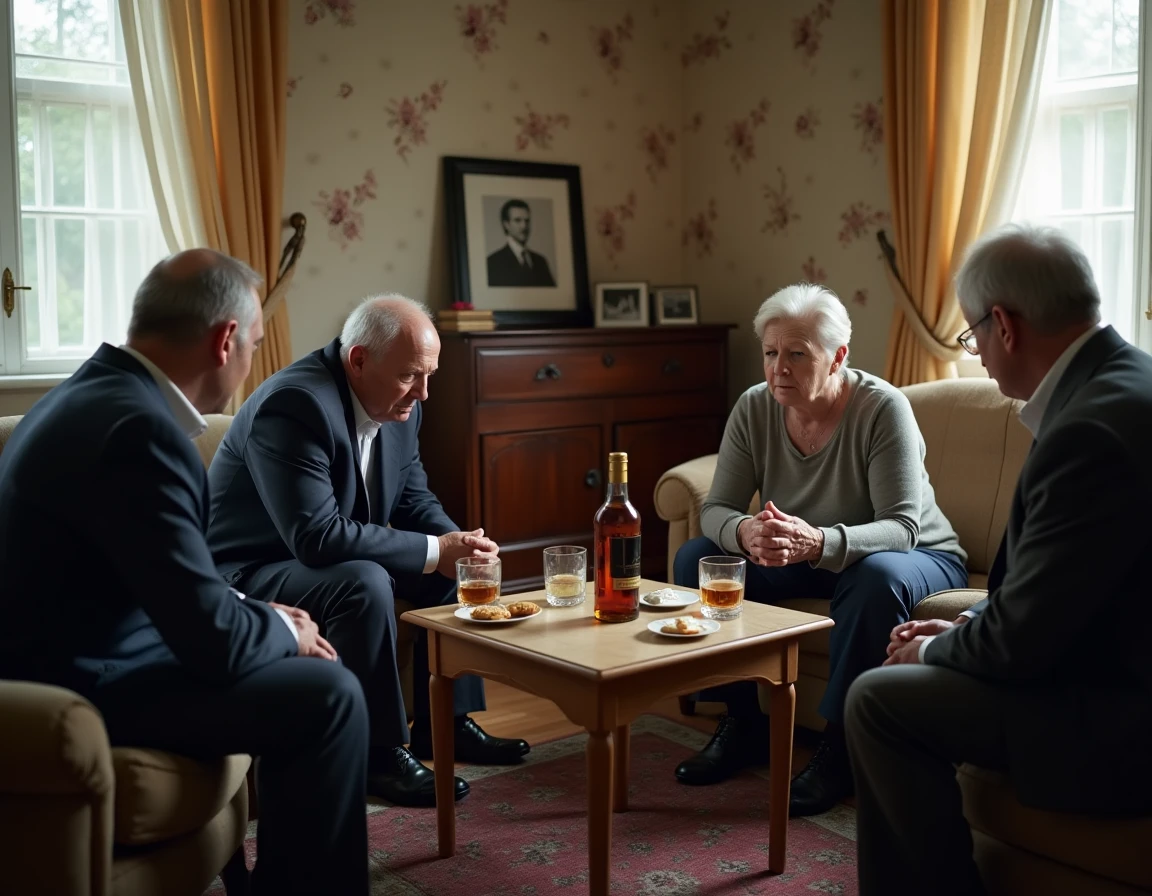
The reasons cited for organizing (or not) a memorial drink fall into two distinct categories. The table below contrasts them.
| Motivation related to tradition | Motivation related to social formality |
|---|---|
| Paying tribute to the deceased by sharing memories | Meeting an implicit expectation of the present loved ones |
| Extending the funeral rite through a collective moment | Providing a physical break after an exhausting ceremony |
| Respecting a family custom passed down through generations | Allowing those who traveled from afar to have a meal |
| Symbolically marking the transition between the ceremony and the return to daily life | Avoiding participants dispersing without a word |
The two columns are not mutually exclusive. But the line between sincere tribute and social obligation often determines the feelings of the organizing families. When the process is perceived as a logistical chore in a moment of distress, the reception loses its function of mutual support.
Reception after burial: the hybrid format post-Covid
The health crisis has permanently changed certain funeral rites. During the restrictions of 2020-2021, reduced capacities led families to organize “memorial aperitifs” via video conference, using Zoom or WhatsApp.
What was meant to be a temporary workaround has become established. Several funeral homes and bereavement associations have found that these hybrid practices persist for geographically dispersed families, especially when the deceased was an elderly person whose relatives live abroad.
The hybrid format combines a small in-person gathering and a toast shared remotely. This arrangement responds to a demographic reality: French families are more fragmented than they were thirty years ago. Requiring the physical presence of everyone for a memorial drink sometimes excludes part of the mourners.
What the remote format changes in the ritual
A memorial drink via video does not fulfill exactly the same function as an in-person reception. Physical contact, hugs, and simply standing together in a room contribute to the process of collective mourning.
Remotely, the exchange focuses on words. Some families see this as an advantage: shy people or those overwhelmed by emotion find it easier to express themselves in front of a screen than in front of an assembly. Others believe that the physical dimension of comfort disappears and that the ritual loses its substance.
Choice of location and format: the criteria that really matter
Online content extensively details the options (home, restaurant, community hall, café). Beyond the location, three criteria significantly guide the decision.
- The time between death and the ceremony: when several days pass, the family has time to prepare a structured reception. In the case of a quick burial (Muslim or Jewish rites, for example), the gathering often limits itself to what can be organized in a few hours.
- The composition of the assembly: a small group of close relatives can handle an informal setting (home, garden). Once colleagues, distant acquaintances, or institutional representatives are present, a neutral location avoids uncomfortable situations.
- The expressed wishes of the deceased: some individuals leave specific instructions regarding the reception they desire, sometimes in their advance directives or to their loved ones. Respecting this wish takes precedence over any social convention.
Alcohol or not: a false debate that masks the real question
The presence of alcohol at the memorial drink crystallizes tensions in some families. Funeral homes that offer non-alcoholic options respond to a real demand, linked to religious beliefs, addiction issues in the circle, or simply the deceased’s personal preference.
The real question is not “should we serve alcohol?”, but “does this reception serve the mourners or just appearances?”. A sober gathering around tea, in the deceased’s living room, can fully fulfill its function of mutual support after the funeral ceremony. An elaborate buffet in a rented hall can, conversely, resemble an obligation stripped of meaning.
The memorial drink remains a tool for mourning, not an administrative step. When it is chosen freely, tailored to the real needs of the family, and adapted to the circumstances of the death, it fulfills its role. When it arises from social pressure or an unexamined cultural reflex, it adds a logistical burden to a moment already saturated with trials.