At 62 years old, some French people still work full-time while others are already receiving their full pension, thanks to long careers or specific arrangements. The recent changes in calculation rules are disrupting established benchmarks, altering the departure date and the amount of rights based on individual paths.
The rising cost of living is pushing more and more retirees to supplement their income, while digitalization accelerates access to administrative procedures. Adapting one’s choices has become essential to preserve autonomy and quality of life in the long term.
Retirement: what recent changes and new challenges for seniors?
The landscape of retirement in France is transforming at a rapid pace. Since the last reform, the legal age is moving back: 64 years for an entire generation, it is no longer a distant prospect, but a reality that imposes itself on everyone. Pensions are being recalculated, sometimes reduced, and the rules for complementary retirement, such as Agirc-Arrco for private sector employees, are adjusting their regulations under the direct influence of social partners.
For seniors, the extension of time spent at work does not merely raise questions: it shakes things up. Healthy life expectancy is no longer increasing, even as retirement is pushed further away. Many seek to preserve their autonomy as the costs of specialized facilities rise. Finding clear information about their rights and understanding the new rules has become a necessity. Disparities between women and men, between workers and executives, are widening, particularly due to the complexity of the rules for validating quarters.
Recent social figures also highlight another issue: maintaining strong social ties. Associations, municipalities, and pension funds are multiplying projects to support retirees, but access to digital tools sometimes remains an obstacle. To keep up with developments and follow all senior news on Actu Seniors, it is important to be attentive to changes and to inform oneself about local initiatives that shape the lives of retirees in France.
How to anticipate and organize this new stage of life calmly?
Preparing for retirement is no longer limited to a date on a calendar. Today, it all begins with strategic reflection. Financial planning becomes a true ally to navigate this period without unpleasant surprises. One examines their future pension, their health rights, and the number of validated quarters. To gain clarity, one must consider all their resources, anticipate fixed expenses, and foresee upcoming costs. This anticipatory work helps maintain control over daily life and avoid unpleasant surprises.
Some opt for employment-retirement accumulation and remain active, even if only part-time or through volunteering; others prefer to invest in a PER retirement plan. Diversifying income, integrating the latest developments adopted by social partners, and staying alert to regulatory changes all matter. Recent changes have reshuffled the cards, making vigilance all the more valuable to avoid missing out on new rights.
Here are some concrete recommendations for approaching the transition to retirement with more confidence:
- Establish a precise overview of your budget: list your regular expenses, anticipate spending related to your projects or health.
- Consult with health and social security funds to get a clear view of your rights and the steps to take.
- Consider adapting your housing, seeking stimulating group activities, or finding training suited to your age.
The key to making this transition smoothly? Stay informed, seek expert opinions, don’t hesitate to surround yourself with support, but also maintain the momentum to dare to pursue new projects.

Concrete advice for thriving fully in daily life after professional life
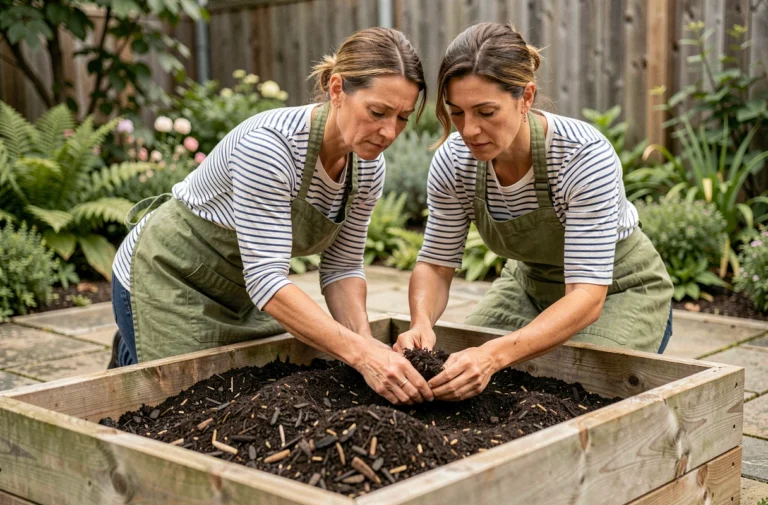
The transition to retirement reshuffles all the cards of daily life. Priorities change, and time becomes an ally. Senior activities are experiencing a new surge: in Paris, writing workshops are packed, in Lyon, cooking classes bring together several generations, and urban gardening is increasingly appealing to retirees. Opening up to new passions means fully enjoying regained freedom.
Taking care of one’s well-being involves acting on multiple fronts. Health should not take a back seat: walking, swimming, gentle gymnastics, the options are numerous. Regular medical check-ups and a balanced diet are essential. Studies show that healthy life expectancy is improving, provided one maintains a strong social network. Participating in associations, enrolling in a university of leisure, stimulates curiosity and breaks the isolation.
Some ideas to energize daily life:
- Play the card of transmission: share your experience with younger generations through mentoring or volunteering.
- Plan trips considering your budget and mobility, favoring cultural stays or nature retreats.
- Reconsider your housing for greater security and comfort, anticipating age-related changes.
The associative network, particularly dense in large French cities, offers multiple solutions to support seniors in this phase: enhancing their quality of life, supporting their autonomy, and opening up new horizons. It remains to seize these opportunities so that retirement is not a parenthesis, but a new chapter to be fully written.