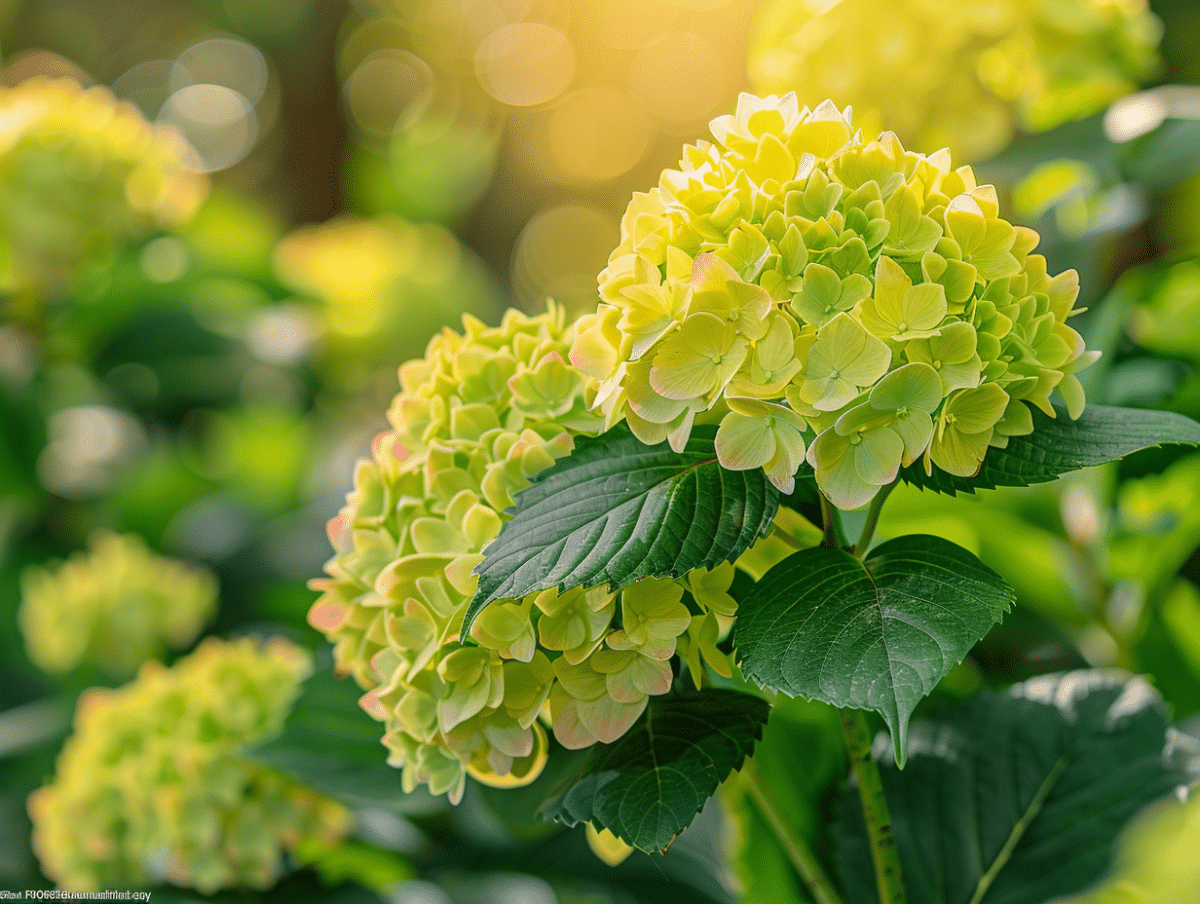
Hydrangeas, with their generous and colorful flowers, are a must-have in gardens and terraces. These majestic plants are often targeted by various diseases that can compromise their beauty and health. Among the most common are powdery mildew, chlorosis, and botrytis.
To preserve these ornamental plants, make sure to recognize the warning signs of these diseases and implement effective preventive measures. Good cultural practices, combined with appropriate treatments, help keep hydrangeas in top shape and ensure vibrant blooms every season.
Identifying Common Diseases in Hydrangeas
Hydrangea powdery mildew, caused by the fungus Microsphaera polonica, manifests as reddish spots on the leaves. A white fluff then appears, accompanied by drying of the flowers and irregular brown spots with fine black speckles. Every gardener should closely monitor these signs to prevent hydrangea disease from spreading.
Botrytis, caused by Botrytis cinerea, is another frequent threat to hydrangeas. It is characterized by dry or wet rot of flower buds and young shoots. Affected areas develop a gray fluff. It is imperative to detect this disease early to limit damage and preserve the plant’s health.
Leaf spot diseases, caused by Ascochyta hydrangeae and Phyllosticta hydrangeae, appear as spots on the leaves. Although less destructive than other conditions, they affect the aesthetics of hydrangeas. Gardeners must remain vigilant and quickly treat any detected hydrangea disease to maintain the vitality of their plants.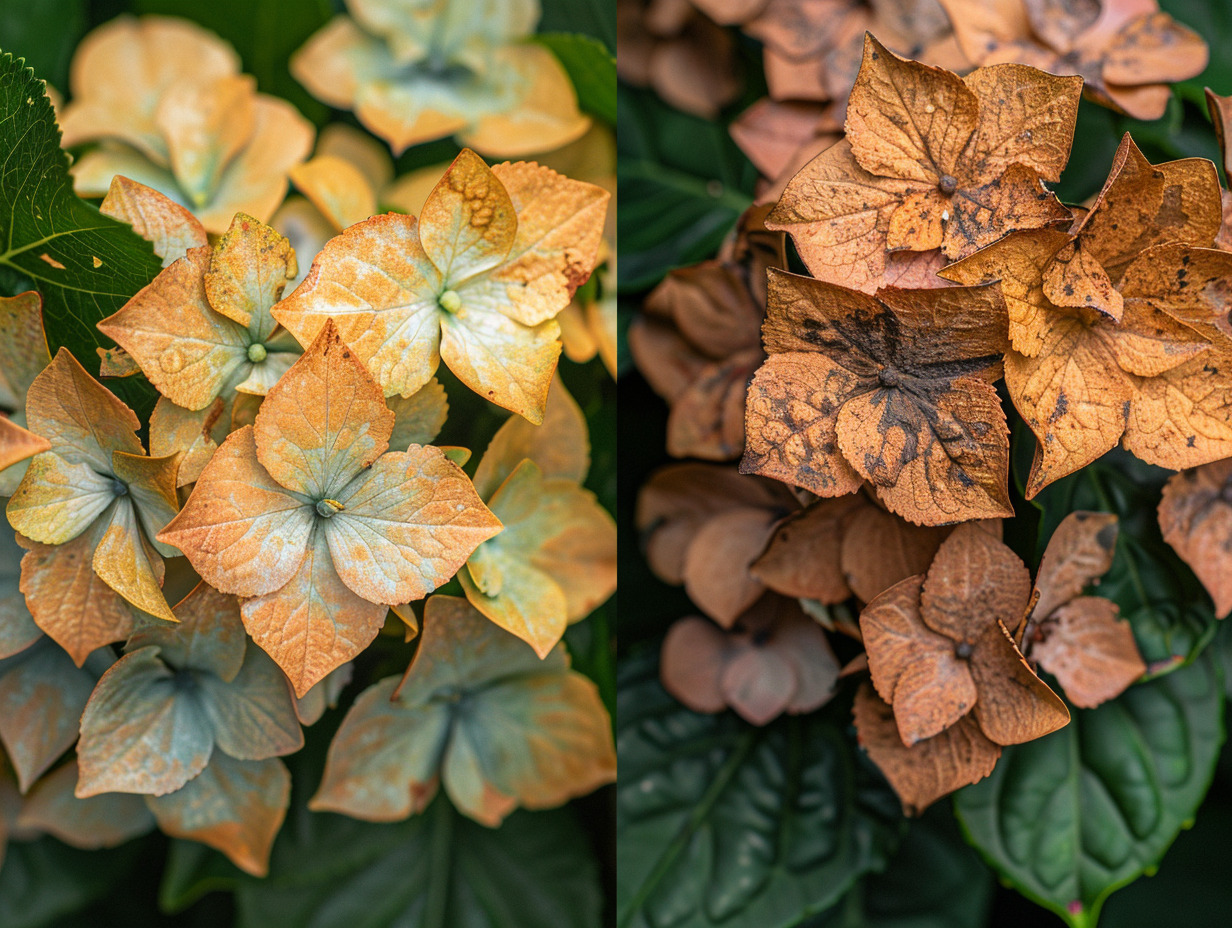
Prevention and Treatment Strategies
Adopt suitable cultural practices to protect your hydrangeas from common diseases. Good air circulation around the plants and sufficient spacing between shrubs limit the spread of diseases. Regularly prune dead or diseased branches.
- Avoid nitrogen-rich fertilizers: opt for balanced fertilizers to reduce excess foliage that is susceptible to diseases.
- Water at the base of the plant: water in the morning to limit moisture on the foliage, which is conducive to fungi.
- Cut and burn affected parts: remove diseased leaves and branches to prevent the spread of pathogens.
Chemical treatments may be necessary in cases of severe infestation. Use specific fungicides for each disease. For example, treat hydrangea powdery mildew with sulfur or copper-based products, and botrytis with captan or thiram-based fungicides.
Biological Treatments
For environmentally conscious gardeners, there are biological solutions available. Nettle or horsetail manure, rich in silica, strengthens plants against fungal diseases. Apply it preventively every two weeks.
Treatment Summary
| Disease | Treatment |
|---|---|
| Powdery Mildew | Sulfur or copper-based fungicides |
| Botrytis | Captan or thiram-based fungicides |
| Leaf Spot Diseases | Removal of affected leaves, application of horsetail manure |
The greening of flowers, caused by a mycoplasma, requires particular vigilance. There is no curative treatment, but good hygiene of tools and plants limits the spread. Also consider purchasing resistant varieties to prevent these conditions.